
Redness and flakes between the eyebrows, in the creases beside your nose, sometimes the hairline or beard edge
Seb derm, stripped of the noise
Quiet skin starts with the right three boring products.
My face kept flaking. The redness kept coming back. After years of expensive washes and creams that did not work, the fix was a weekly antifungal, a gentle cleanser, and barrier repair.
No signup. Affiliate links are disclosed clearly. Every product is available without buying through this site.
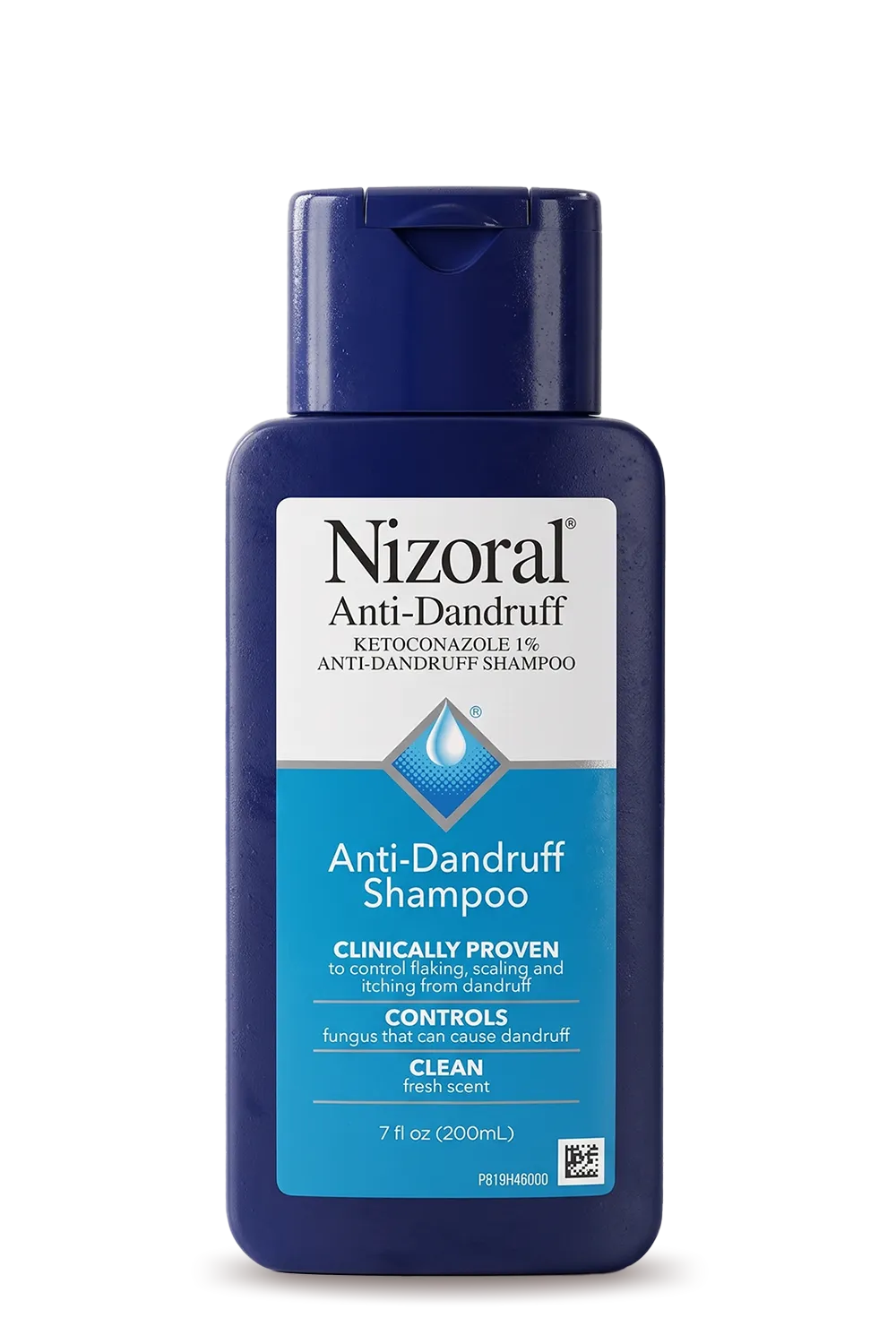
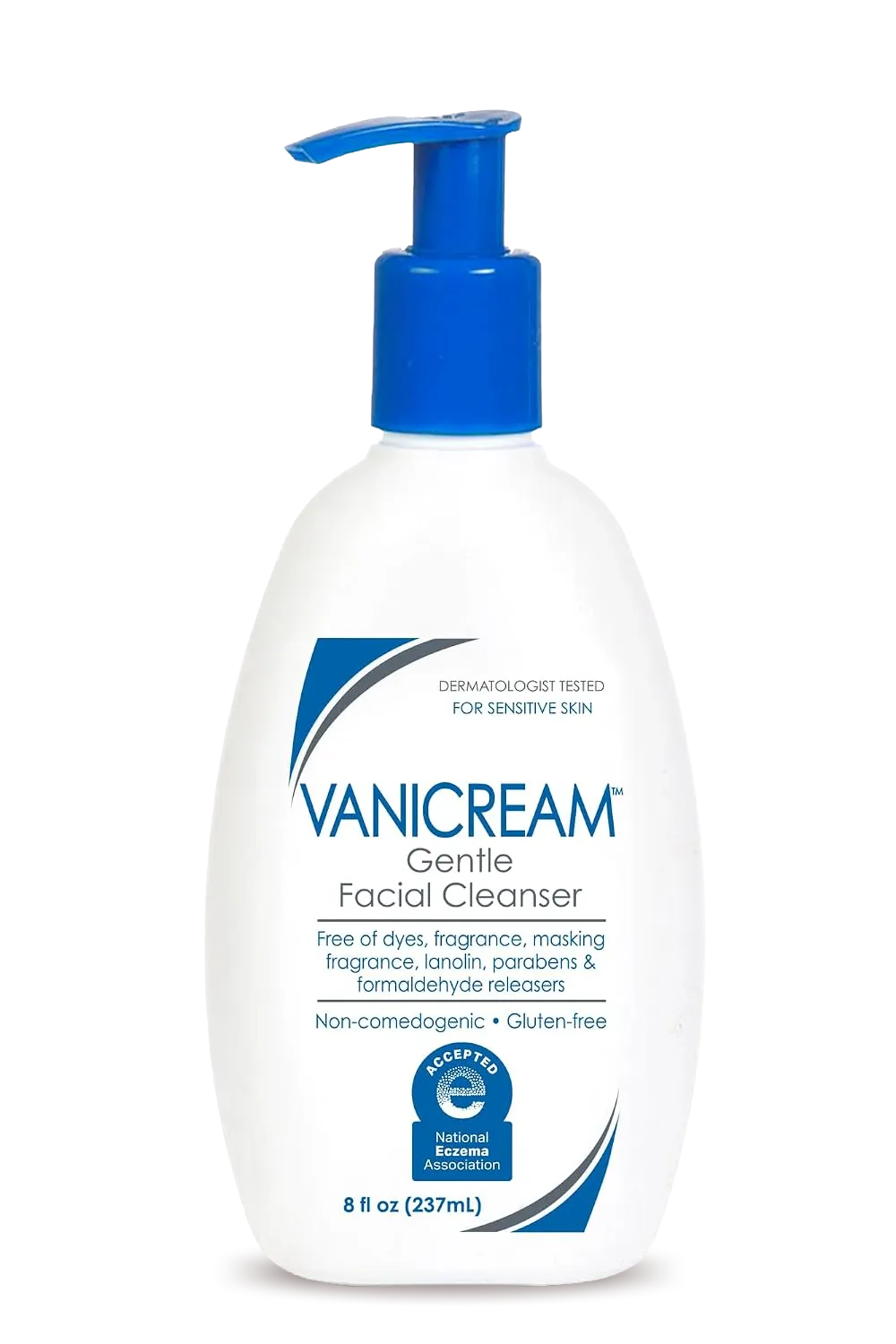
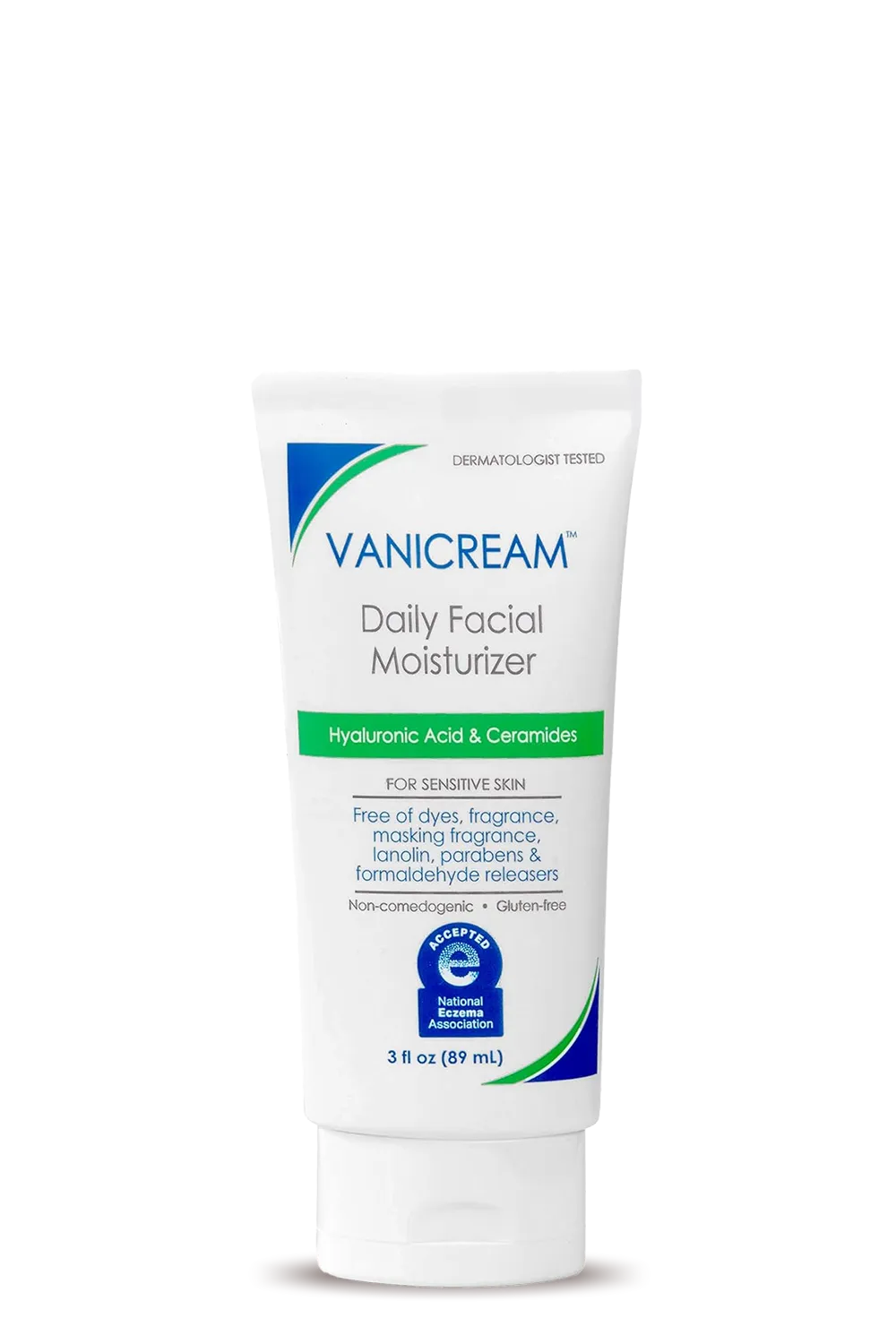
about $40 3 products no prescription
The pattern
Same spots. Every time.
That was me for years. If it is you too, this is almost certainly seborrheic dermatitis: common, stubborn, not a hygiene problem, and very controllable once you know the mechanism.
It comes back in the same spots every time, no matter what you switch
It calms down after a new product or an exfoliation, then returns days later
The mechanism
A normal yeast eats your oil. Your skin overreacts to the leftovers.
Everyone's skin hosts a yeast called Malassezia. It feeds on your skin's oil and leaves byproducts behind. Some people's skin overreacts to those leftovers. Mine does.
Knock the yeast down periodically.
Fewer byproducts means less for your skin to overreact to. This is the boring piece I was missing for years.
Rebuild the barrier every day.
A stronger barrier takes more provocation to flare. The moisturizer is not decoration; it is the long game.
The full explanation
Malassezia is normal flora. It favors oily areas, feeds on the oil your skin produces, and you cannot get rid of it. You would not want to. It is supposed to be there.
Seb derm is not an infection, and the amount of yeast is not really the issue. The difference is susceptibility: some people's skin overreacts to the byproducts the yeast leaves behind when it breaks down your skin's oil.
Neither lever is a cure, because your skin keeps making oil and the yeast keeps coming back. But together they keep the condition quiet with very little effort.
The market problem
The effective move is unglamorous, so the attention goes elsewhere.
Dermatologists are not the enemy. The problem is what got marketed to me versus what actually addressed the mechanism.
Expensive "gentle" washes On your face for seconds, then down the drain. Fragrance and botanical oils can make it worse.
I owned more than one of these. A cleanser only touches your face for a few seconds before it rinses off, so an expensive wash cannot do much that a cheap gentle one cannot. Worse, some premium washes are loaded with fragrance and essential oils, which are common irritants for reactive skin.
Heavily marketed creams Some literally feed the yeast. "Fungal-acne safe" is what matters, not the branding.
Some popular moisturizers contain oils and fatty-acid esters that feed Malassezia. A barrier cream is a good idea in principle, but the formula matters, and "fungal-acne safe" is the thing to look for, not the price or branding.
The missing piece The actual fix costs about twelve dollars. Nobody markets it because there is no margin in it.
The single most effective everyday tool for seb derm is an over-the-counter antifungal. Nobody advertised it to me, so it took me years to find it. Most people never learn that the actual fix is generic and boring.
Over-reliance on steroids A real short-term tool, a bad long-term plan. And they do not address the yeast at all.
Topical steroids do calm a flare fast, and used briefly they are fine. The trouble is using them as an everyday crutch. On facial skin, long-term steroid use can thin the skin, create persistent redness, and cause rebound flares when you stop.
The routine
Three products. About forty dollars.
This is exactly what I use, and exactly how I use it.
As an Amazon Associate I earn from qualifying purchases. Nizoral (ketoconazole 1%)
The antifungal that targets the yeast. This is the piece that does the actual work.
about $15 Get it on Amazon Vanicream Cleanser
Cleans without stripping, irritating, or feeding the problem. Fragrance-free.
about $10 Get it on Amazon Vanicream Moisturizer
Ceramides and hyaluronic acid rebuild the barrier so you flare less often.
about $14 Get it on AmazonHow to use Nizoral
Use as a short-contact face treatment instead of your normal cleanse. Not every day.
- Wet your face with lukewarm water.
- Work a small amount into a light lather over the affected areas.
- Leave it on for three to five minutes. The contact time is what lets it work.
- Rinse well, pat dry, and moisturize.
Gentle, well-tolerated, and safe long-term at this rhythm. I have used it for years. It is not "harsh," despite what some marketing implies.
How to use Vanicream Cleanser
Once a day, ideally at night, lukewarm water. Mornings, a plain water rinse is enough.
On antifungal nights it gets replaced, not stacked. It only needs to clean without irritating. It does not need to be expensive.
How to use Vanicream Moisturizer
After cleansing, every time. Add sunscreen in the morning if you will be outside.
Ceramides are the exact lipids a seb-derm barrier is short on, and a moisturizer stays on for hours, so it has time to do real repair.
At a glance
My week
- Most nights
- gentle cleanse, then moisturizer
- 1 night a week
- antifungal for 3-5 minutes, then moisturizer
- Every morning
- water rinse, moisturizer, sunscreen if needed
Questions
The answers I wish I had first.
Is ketoconazole harsh?
No. It is one of the gentler, better-tolerated things in the whole category. It is available without a prescription, and its most common side effect is mild dryness, which is all I have ever gotten in years of using it.
Can I ever stop using the antifungal?
Maybe, in the sense that you may need it so rarely it barely counts. Seb derm waxes and wanes with season, stress, and sleep. What is unrealistic is expecting it gone forever. I think of it as minimum effective maintenance, not a cure.
Can't I just starve the fungus by washing more?
No, and do not try. I did, and it made things worse. Your skin makes oil continuously, so you cannot wash it away for good. Over-washing damages your barrier, which lowers your threshold and can rebound your oil production.
Why not just use the fancy wash everyone advertises?
I did use the fancy washes, for years. They rinse off in seconds, and some of the popular ones contain fragrance or oils that either irritate reactive skin or feed the yeast. The antifungal and barrier moisturizer are what matter.
Do I still need to see a dermatologist?
It is a good idea at least once, to confirm it is seb derm and not something that mimics it, and to set your maintenance frequency. This site is me sharing what worked for my confirmed case.